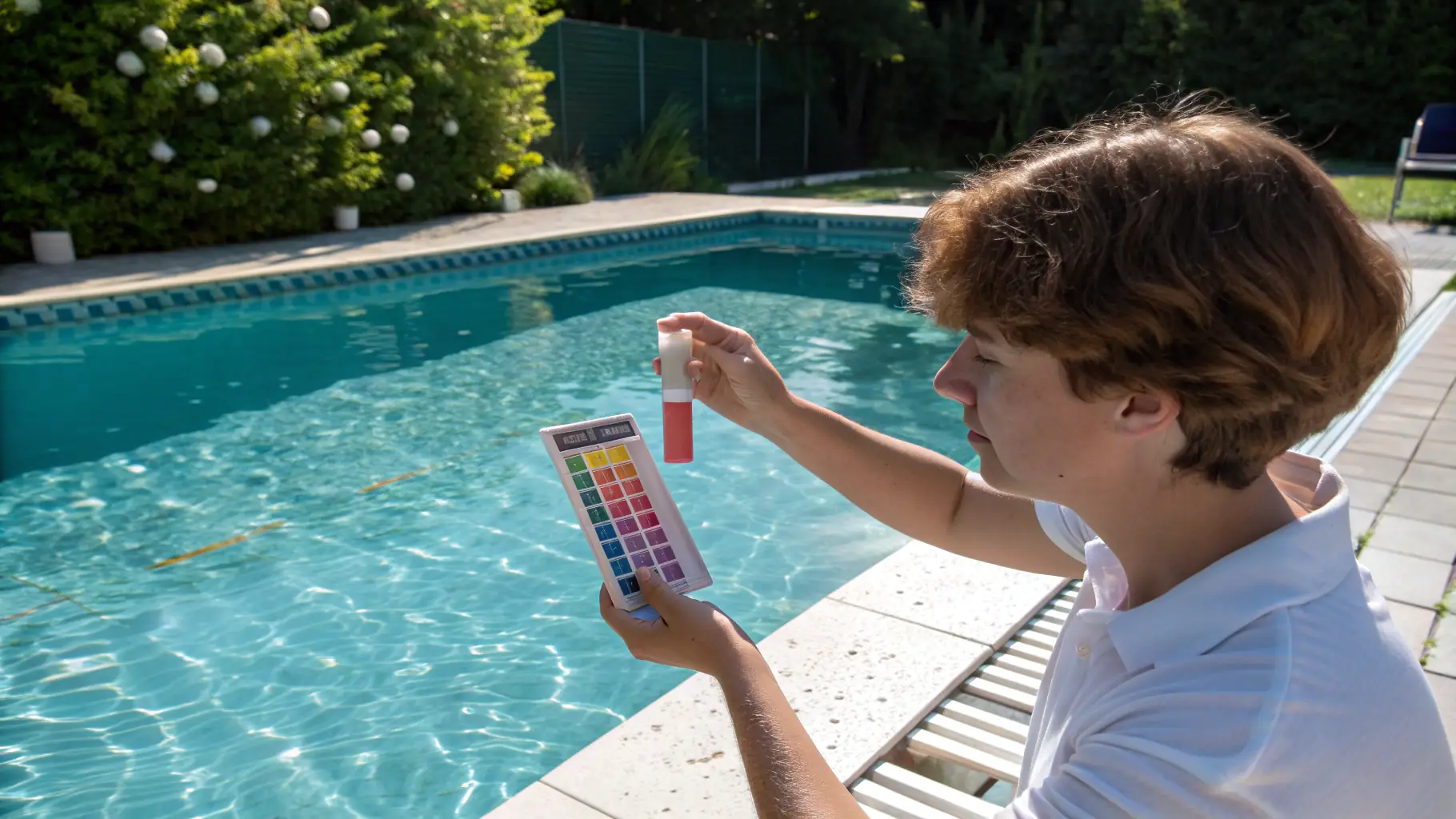
Pool water chemistry can seem daunting, but understanding the basics is crucial for maintaining a healthy swimming environment. The key parameters to monitor are pH, alkalinity, calcium hardness, and sanitizer levels. Each of these factors plays a vital role in keeping your pool water clean, clear, and safe for swimmers. Regular testing and adjustment are essential for maintaining the proper balance.
pH is a measure of how acidic or basic your pool water is. The ideal pH range for a swimming pool is between 7.2 and 7.8. Alkalinity acts as a buffer to prevent drastic pH changes. Calcium hardness refers to the amount of calcium in your pool water. Maintaining the proper calcium hardness level helps prevent corrosion and scaling.
Sanitizers, such as chlorine or bromine, are used to kill bacteria and algae in your pool water. Regular shocking, or superchlorination, is also important for eliminating contaminants and keeping your pool water sparkling clean. By understanding and managing these key parameters, you can ensure a safe and enjoyable swimming experience for everyone.